Not Sure Where To Start?
One question. Seven possible paths. Find the right articles for your financial situation in seconds.


A comprehensive survey reveals that nine out of ten Americans recognize the critical importance of prioritizing their mental well-being. Meanwhile, more than half express genuine worries regarding their psychological state. Notably, 71% of Generation Z individuals and 58% of millennials indicate that anxiety significantly disrupts their everyday routines. Almost half of respondents, precisely 47%, have dealt with grief over the previous year. Furthermore, over half, specifically 54%, lack a trusted friend they could contact during a midnight crisis. An overwhelming 82% feel that their closest companions and frequent associates do not truly understand them on a profound level, resulting in superficial bonds. On average, individuals maintain three times as many social media profiles compared to real-world group memberships. Additionally, 47% of married couples face challenges with physical closeness, while 40% grapple with emotional disconnection from their partners. Half of the population remains dissatisfied with their physical appearance, and nearly 60% experience guilt related to their food choices.
In recent years, the United States has navigated a series of formidable obstacles, including the worldwide health crisis sparked by the pandemic, escalating student debt burdens, inflationary pressures driving up living costs, workplace uncertainties, and geopolitical conflicts abroad such as those in Europe. Amid these multifaceted pressures, Ramsey Solutions launched an in-depth investigation titled The State of Mental Health in February 2022 to gauge the current psychological terrain across the nation. The findings illuminate critical aspects of the collective mental health status. Strikingly, 90% of participants affirmed that nurturing their mental health holds substantial value in their lives.
This extensive study delved into queries spanning three primary domains: mental health concerns, interpersonal dynamics, and personal wellness practices. By exploring these areas, the research provides a holistic view of how Americans are coping with contemporary stressors.
Mental Health Dynamics: Although a vast majority, 90%, acknowledge the necessity of mental health maintenance, 56% voice personal apprehensions about their own psychological condition. Just 27% perceive their mental state as improved compared to the previous year at this time. Younger cohorts show heightened vulnerability, with 24% of Gen Z and 26% of millennials noting a decline in their mental health over the past year.
Interpersonal Connections: Over half, 54%, report lacking a confidant reliable enough for an urgent late-night call. Nearly half of Gen Z (49%) and 43% of millennials experience weekly loneliness. Financial matters top the list of disputes among wedded pairs. One-third of parents sense a loss of self-identity due to parenting responsibilities. Among parents of minors under 18, 75% express concerns over technology and social media’s influence on their children.
Wellness Habits: Younger adults, particularly millennials and Gen Z, are far more prone to feeling isolated or envious after social media use than their elders. Daily smartphone engagement averages over three and a half hours. Merely 36% prioritize quality sleep as a foremost goal, and 29% emphasize nutritious eating. The typical sleep duration hovers around six hours, yet 58% frequently awaken feeling fatigued.
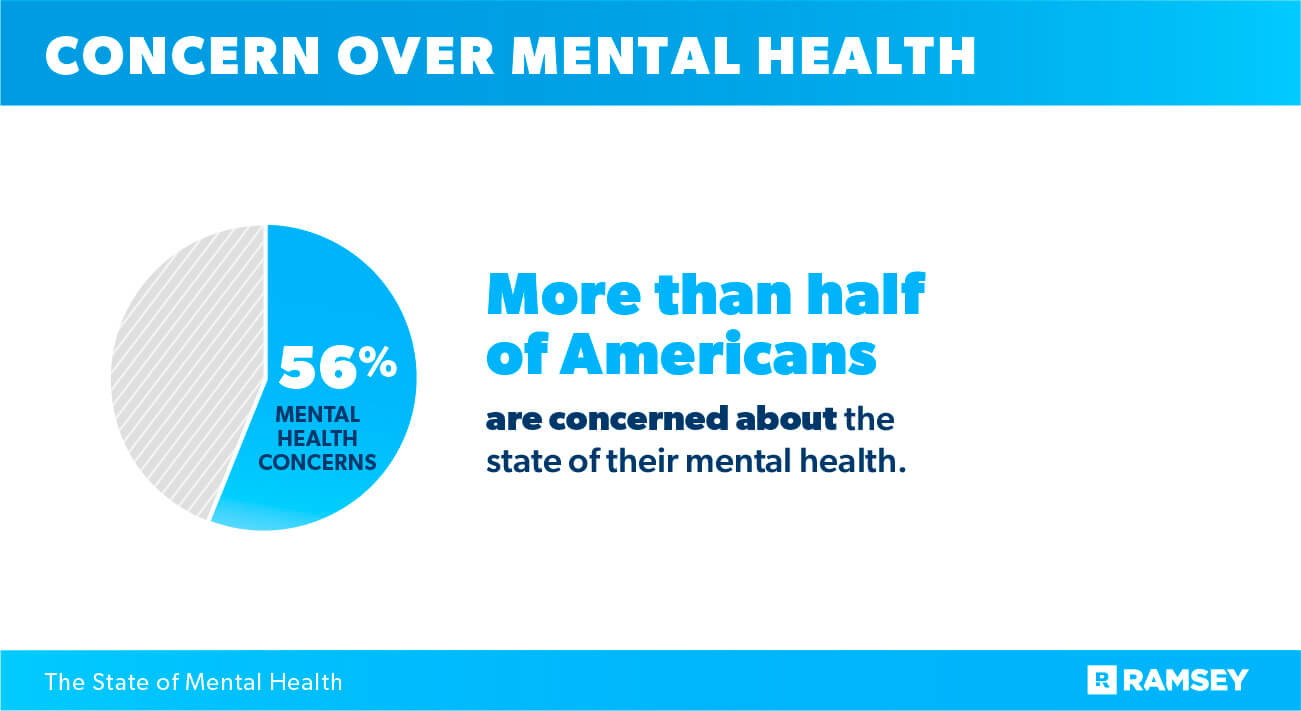
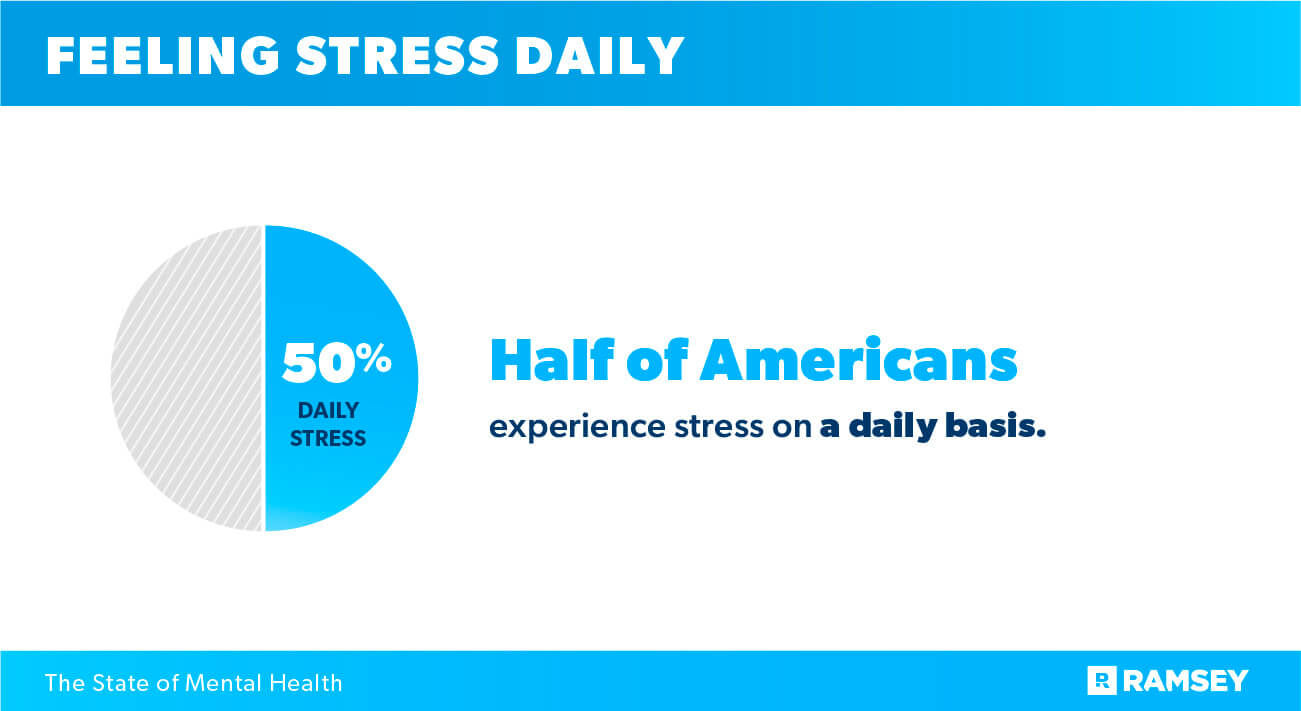
Over half of Americans, 56%, harbor concerns about their mental health status, a sentiment easily understood given prevailing conditions. Fully 50% encounter daily stress. This pattern intensifies among younger to middle-aged groups: 59% of Gen Z, millennials, and Gen X (ages 18-57) feel stressed every day, versus 29% of baby boomers. Dissatisfaction strikes weekly for 48% of Gen Z, 44% of millennials, and 37% of Gen X—nearly triple the 17% rate among boomers. One in five Americans reports anxiety profoundly affecting daily functions, with 52% noting at least moderate influence. This rises sharply for youth, as 71% of Gen Z and 58% of millennials confirm daily life interference from anxiety.
Contemporary stressors vary widely. Financial worries lead at 63%, followed by health issues (57%), career pressures (49%), family and child-related strains (47%), social circles (45%), and romantic partnerships (45%). Women face nearly double the intense financial stress of men, with 29% versus 17% reporting severe monthly impacts.
To manage stress and anxiety, Americans adopt diverse strategies. Avoidance tactics prevail: 43% listen to music, 37% consume TV or streaming media, and 26% mindlessly browse phones. Professional therapy reaches 29%, but 62% believe their issues fall short of needing expert intervention. Other common approaches include prayer (36%), meditation (30%), prescription medications (25%), and self-help literature (23%).
Nevertheless, persistent issues linger: 46% battle repetitive negative thoughts, and 55% contend with self-doubt. Women (51%), millennials (60%), and Gen Z (68%) particularly struggle to manage their thought patterns. Among those with mental health difficulties, 75% face self-doubt, alongside 61% of women, 73% of Gen Z, 66% of millennials, and 60% of Gen X.
Trauma profoundly shapes mental health, reverberating through physical and social spheres for years. Over half, 54%, recount personal trauma histories. Of these, 73% assert ongoing daily interference from past events.
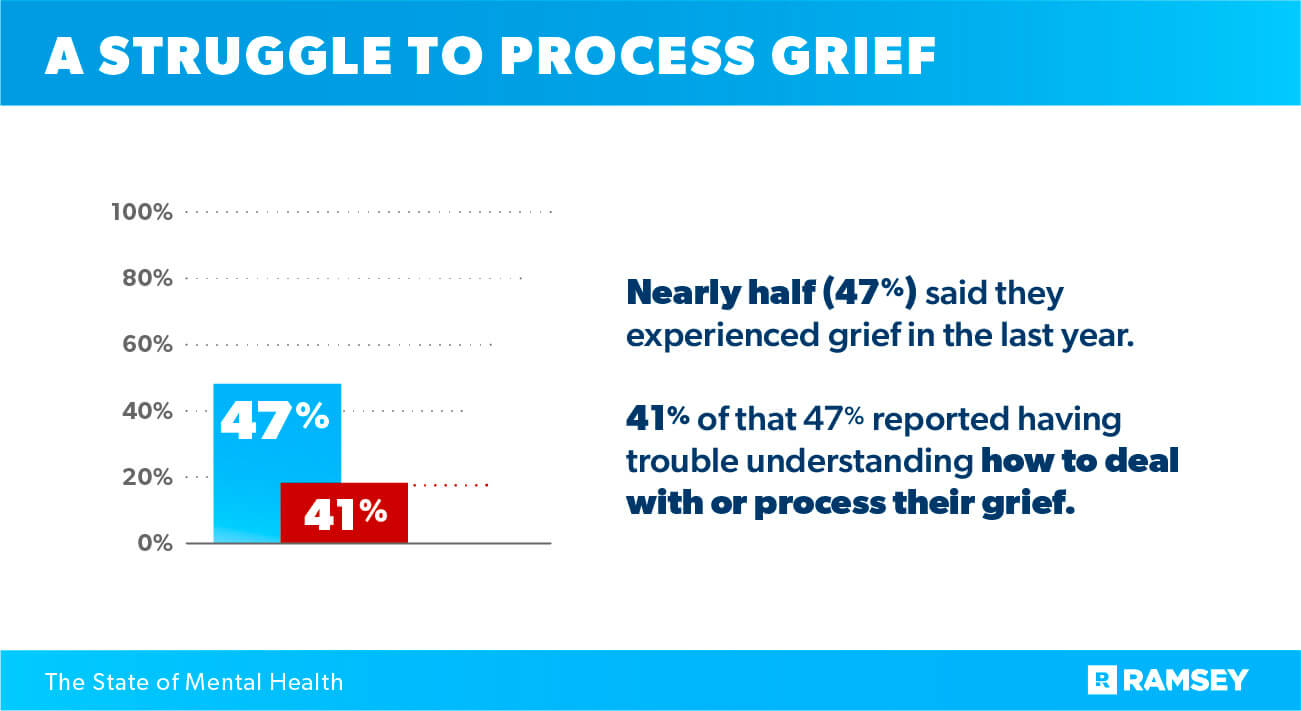
Such events frequently precipitate grief. In the past year, 47% encountered some grief, with 18% deeming it substantial. Among recent grievers, 41% falter in comprehending grief management. For those with heavy grief, 54% struggle similarly, 25% required work leave, and 25% resumed duties prematurely post-loss.
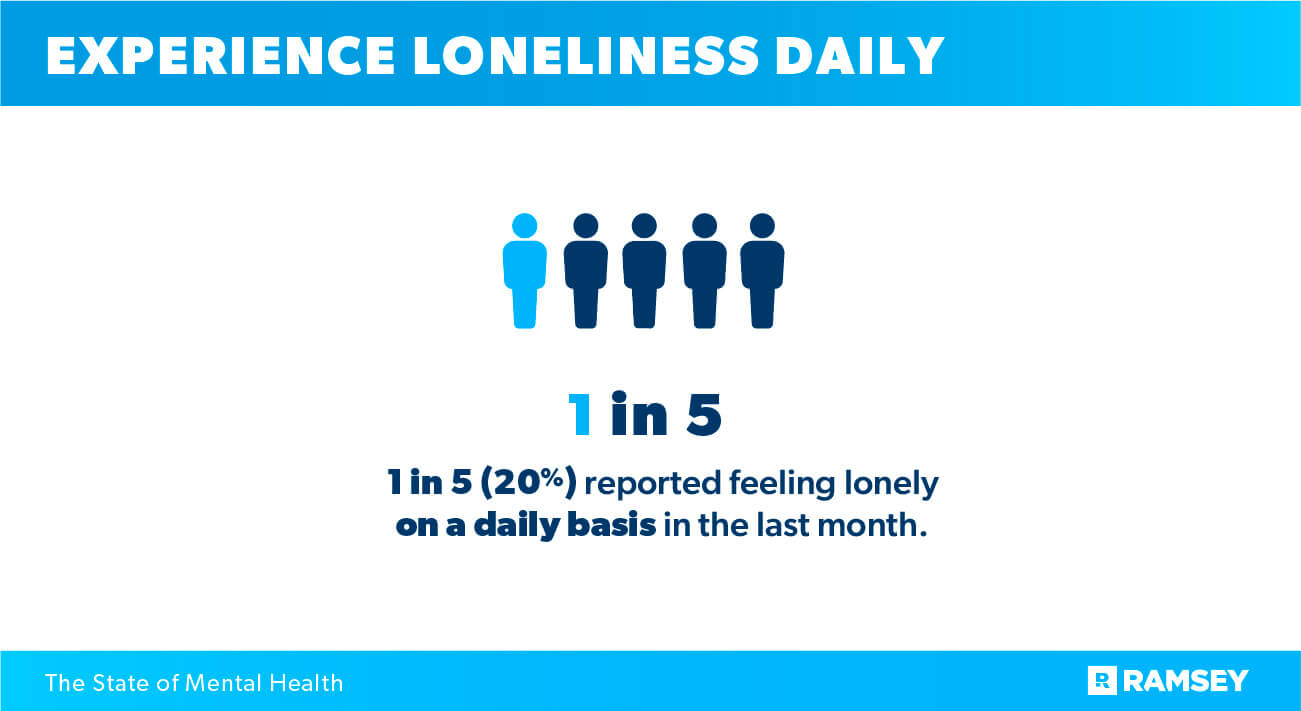
Human bonds and authentic connections form life’s bedrock, directly influencing mental resilience. Recent upheavals like the pandemic have reshaped interaction patterns and circles. A substantial 68% maintain three or fewer intimate friendships, with 30% desiring more. Consequently, 20% feel daily loneliness. Women (38%) outpace men (32%) in weekly loneliness, as do Gen Z (49%), millennials (43%), and Gen X (40%) over boomers (17%).
Digital interactions dominate, with social media averaging 3.7 active accounts per person—29% juggle five or more. In contrast, real-life affiliations average one group, and 47% claim none. Virtual engagement overshadows physical for 60% of Gen Z and 61% of millennials, correlating with 20% daily loneliness reports.
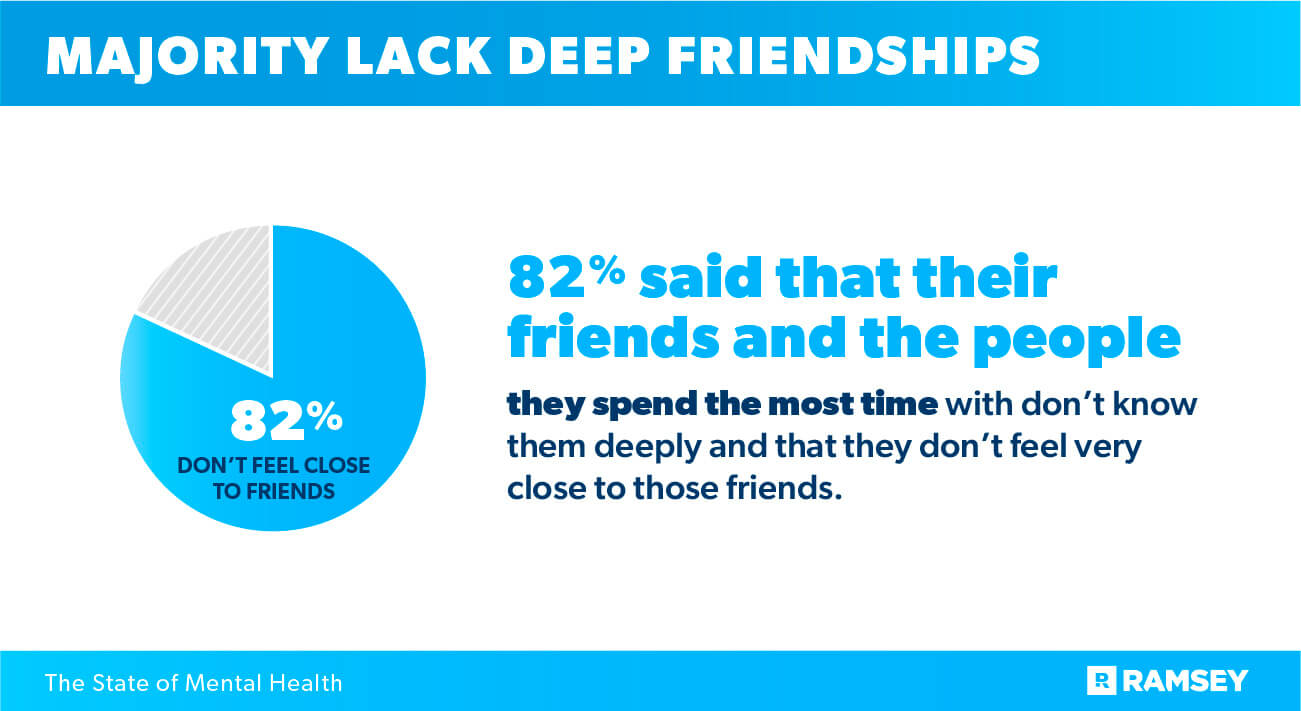
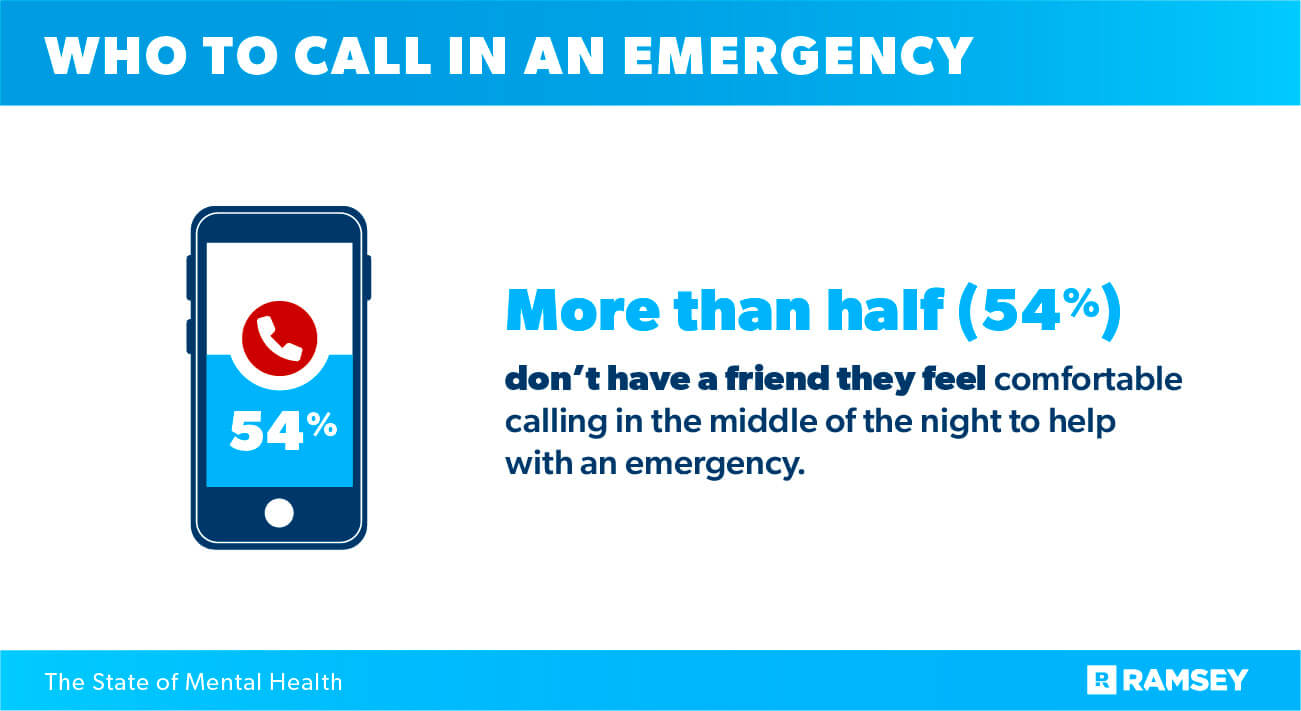
This digital tilt erodes relational depth. Fully 82% sense their inner circle lacks profound knowledge of them, fostering emotional distance. Nearly one-third describe ties as superficial or nonexistent. Alarmingly, 54% hesitate to call friends in emergencies. Trust metrics falter: 76% fully trust spouses, dropping to 59% for family, 53% friends, 29% colleagues, and 23% neighbors.
Men (50%) rate marital bliss higher than women (41%). Women (21%) double men (11%) in viewing marriages as merely adequate. Half (51%) prioritize marriage highly, 15% lowly. Positively, spousal prioritization boosts satisfaction: 70% of ‘great’ marriages deem it top versus 21% in struggling ones. Yet, 47% falter sexually, 40% emotionally; 25% have contemplated divorce.
Despite 83% feeling valued and 86% supported in dreams by spouses, 44% lament insufficient quality time. Notably, 44% see spouses as roommates—rising to 70% in troubled unions.

Parental ties challenge many: 25% rate poorly with children, 39% excellently; 40% feel highly confident parenting. Identity erosion affects 53% of parents of minors, who 77% prioritize kids over self-care. Additionally, 75% fret over tech/social media effects on offspring.
Mental health intertwines with myriad elements. The 2022 study scrutinized tech, social media, rest, activity, and diet—each capable of uplifting or undermining vitality. Daily, 96% use smartphones, 93% view TV; averages exceed 3.5 smartphone hours, with 75% on computers.
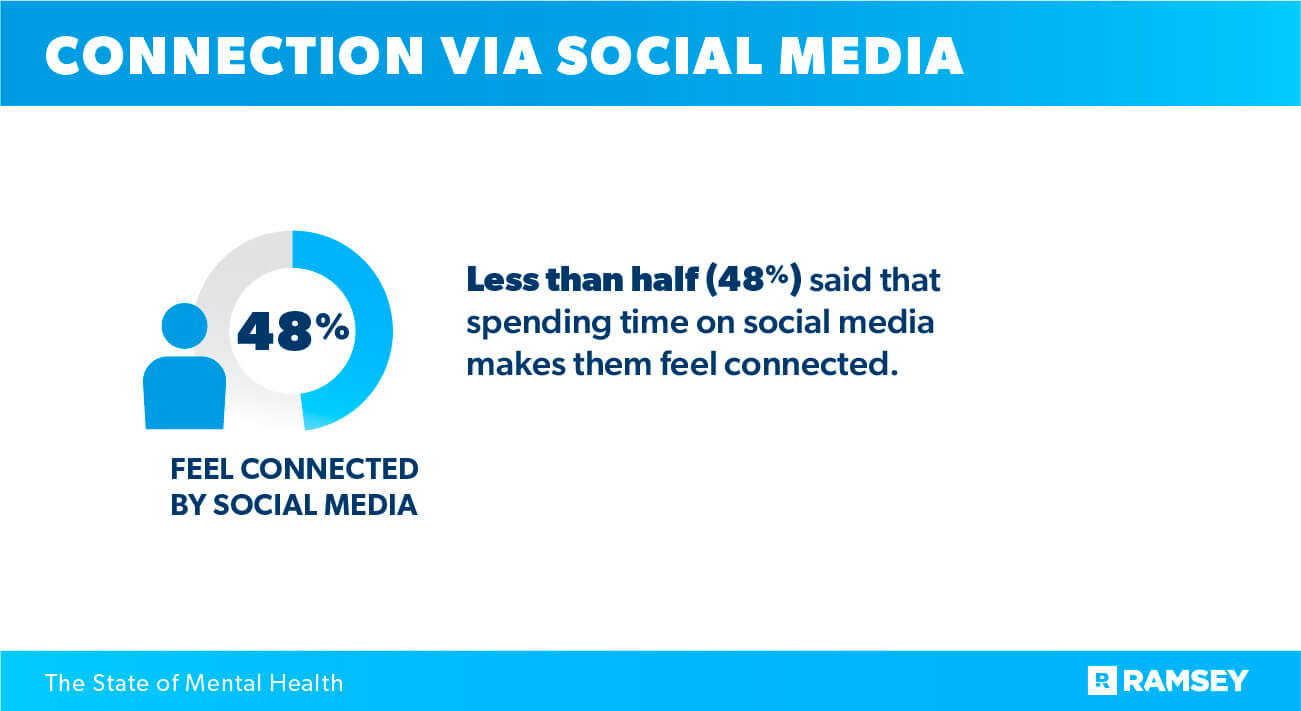
Despite vast online networks, 48% feel unconnected post-social media; Gen Z (36%) and millennials (46%) least so, prone to loneliness (20%, 15%) or envy (17%, 13%). It sources news for 43%—68% Gen Z, 65% millennials. Comparison plagues youth: 67% Gen Z, 54% millennials versus 11% boomers. Guilt over usage hits 54% Gen Z, 50% millennials, 29% Gen X, 13% boomers.
Physical care bolsters mental fortitude. 83% prioritize sleep, yet averages yield just over six hours; under 40% deem quality good/great. Low mental health scorers rate sleep well at 15% versus 52% high scorers.
25% exercise daily, another 25% weekly; high mental health folks (58%) outpace low (38%). Barriers: 33% cite no time, 55% lack motivation. Positive routines like sleep/exercise link to superior mental states.
Diet efforts fail 48%, women (54%) more than men (42%). 60% feel eating guilt, 68% crave healthier options. Appearance satisfaction: 56% overall, women 49% versus men 64%.
Across wellness domains, mental struggles correlate with poorer tech, sleep, exercise, and nutrition habits.
The State of Mental Health study by Ramsey Solutions surveyed 1,001 representative U.S. adults on mental health behaviors, relationships, and wellness attitudes. Data collection occurred February 15-19, 2022, via a credible third-party panel.