Not Sure Where To Start?
One question. Seven possible paths. Find the right articles for your financial situation in seconds.


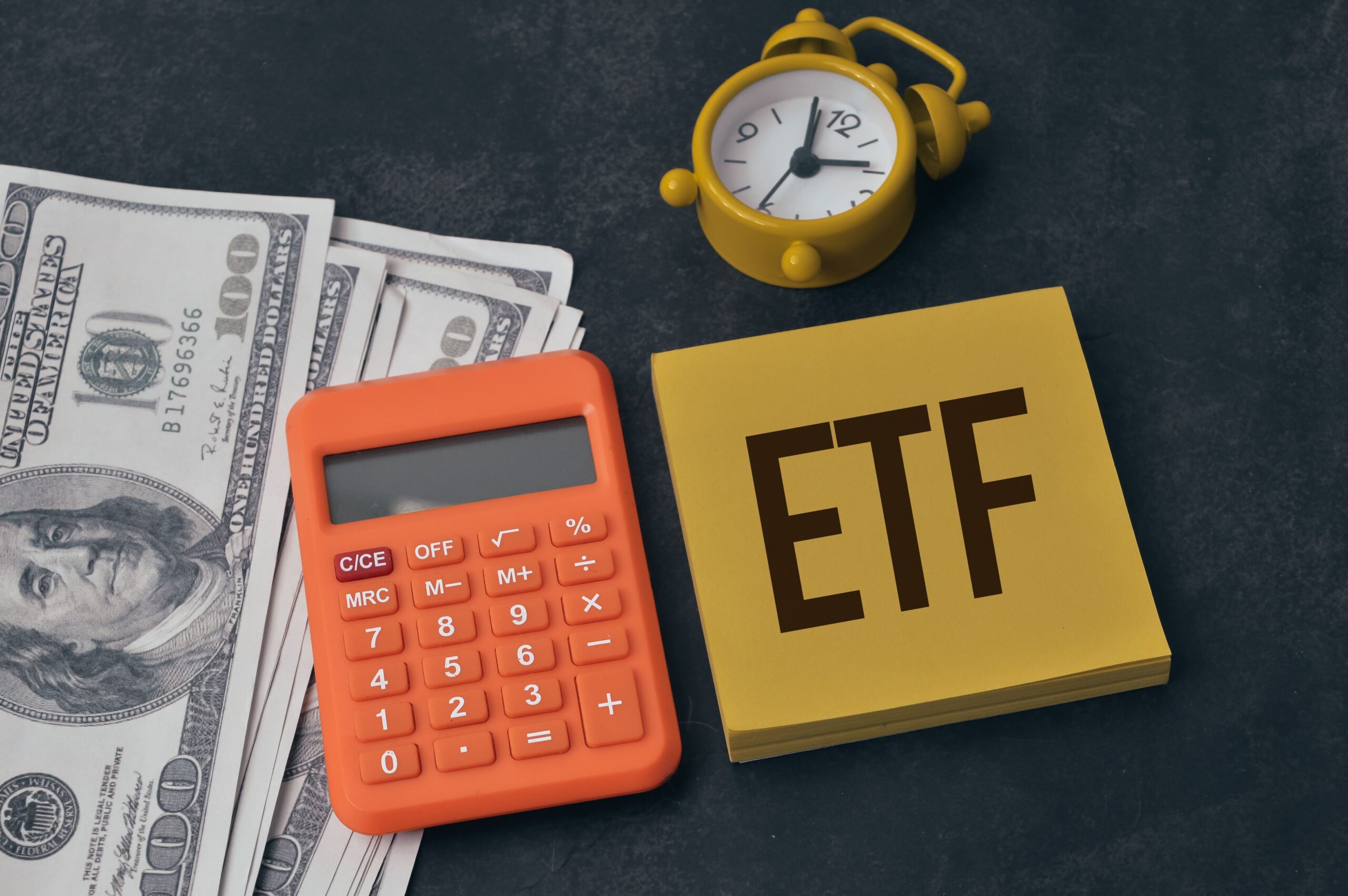
As the investing landscape continues to evolve, many investors are grappling with a common dilemma: Should they invest in exchange-traded funds (ETFs) or individual stocks? Both investment options have their merits, but determining which one will perform better in 2026 and beyond requires a closer look at their characteristics, benefits, and potential risks.
In this article, we’ll explore the differences between ETFs and individual stocks, their potential performance in the year 2026, and which might be the better choice depending on your financial goals.
Before diving into their performance, let’s briefly define what ETFs and individual stocks are:
ETFs have gained popularity in recent years due to their diversification, low fees, and ease of use. Let’s take a closer look at why ETFs might perform better than individual stocks in 2026:
One of the biggest advantages of ETFs is their built-in diversification. By investing in an ETF, you are spreading your investment across a broad range of assets, sectors, or geographic regions. This diversification helps to mitigate risk because if one stock or sector underperforms, the other holdings within the ETF may balance it out. In 2026, the global economy may face challenges such as economic slowdowns, trade disruptions, or geopolitical risks. ETFs, particularly those tracking major indices like the S&P 500, can provide a smoother ride during turbulent times compared to individual stocks.
Many ETFs come with low expense ratios, which means they charge lower fees compared to actively managed funds or even some individual stock trading strategies. For long-term investors, these low costs can add up to substantial savings, especially when considering the compounding effect. In a time when investment returns can be squeezed by high fees, ETFs offer an attractive option for cost-conscious investors.
In 2026, certain industries like artificial intelligence (AI), renewable energy, and cybersecurity may experience significant growth. ETFs provide an easy way to gain exposure to these emerging trends through specialized sector ETFs, without the need to pick individual stocks. Instead of trying to pick the “next big thing,” an ETF can allow you to tap into a broader basket of companies within a specific sector, reducing the risk of missing out on high-growth opportunities.
ETFs are traded on stock exchanges just like individual stocks, offering high liquidity. This means investors can buy and sell ETFs throughout the day at market prices, making them a flexible investment choice for both short-term and long-term investors. Additionally, there are ETFs for nearly every investment strategy—whether you’re focused on dividends, growth, value, or international exposure—allowing you to tailor your portfolio in line with your risk tolerance and goals.
While ETFs offer diversification and low fees, investing in individual stocks can provide unique opportunities for those willing to take on more risk. Let’s explore why individual stocks may perform better than ETFs in 2026:
The primary allure of individual stocks is the potential for higher returns. While ETFs typically mirror the market or sector they track, individual stocks can significantly outperform the broader market if the company experiences exceptional growth. In 2026, certain companies—especially in high-growth sectors like technology, healthcare, and renewable energy—could see substantial price increases. If you identify the right stocks early, the returns can far exceed those offered by an ETF.
Investing in individual stocks gives you more control over your portfolio. You can choose exactly which companies you want to invest in, based on your research and analysis. This allows you to focus on companies that align with your values or that you believe have the potential for above-average growth. Unlike ETFs, which spread your investment across many companies, individual stocks let you concentrate your investments in the areas where you see the most potential.
While ETFs offer broad market exposure, individual stocks can provide access to niche markets that may be harder to find within an ETF. For example, if you believe in the potential of a small-cap tech company that’s on the brink of a breakthrough, investing directly in that stock can offer the chance for outsized returns. ETFs typically avoid these niche opportunities due to their broad, diversified nature, but individual stock investors have the freedom to target specific, high-potential stocks.
Many individual stocks—particularly in sectors like utilities, real estate, and consumer goods—offer regular dividend payments. For income-focused investors, these dividends can provide a reliable and steady stream of passive income. While some ETFs also distribute dividends, individual stocks can provide higher yields, especially if you focus on dividend growth stocks with a history of consistent payouts.
So, which investment strategy will perform better in 2026: ETFs or individual stocks? The answer depends largely on the investor’s risk tolerance, investment horizon, and knowledge of the markets.
In 2026, both ETFs and individual stocks will have their place in a well-rounded investment strategy. For the majority of investors looking for stability, diversification, and lower fees, ETFs are likely to perform better. They offer a safer route in uncertain times and provide access to emerging trends through sector-specific ETFs. However, for those willing to take on more risk and who have the time and expertise to pick individual stocks, the potential for higher returns may be too enticing to pass up.
Ultimately, your decision should be based on your investment goals, risk tolerance, and ability to stay engaged with the market. Consider a balanced approach, where you use ETFs to ensure diversification and complement your portfolio with individual stocks in high-growth areas for a higher-risk, higher-reward potential.
This article is for informational and educational purposes only. The content presented does not constitute investment advice, financial advice, trading advice, or any other type of professional recommendation. The author is not responsible for any investment decisions made based on the information provided in this article.
Investing involves risk, including the possible loss of part or all of your invested capital. Any investment decisions should be made after conducting your own research, assessing your financial situation and risk tolerance, and, if necessary, consulting with a licensed financial advisor or investment professional.
Past performance is not indicative of future results.