Not Sure Where To Start?
One question. Seven possible paths. Find the right articles for your financial situation in seconds.


This excerpt is adapted from Taking Stock by Jordan Grumet, published with permission from Ulysses Press. Copyright © 2022 by Jordan Grumet. The content has been refined for enhanced readability on digital platforms.
I once cared for a patient who worked as a funeral director. Our discussions frequently delved into deep philosophical topics as well as everyday practicalities, and it soon became evident that someone in such an extraordinary profession must acquire exceptional wisdom. I often remarked: When the funeral director shares their thoughts, it’s wise to pay close attention.
People whose professions revolve around death and the end of life might not seem like typical sources for investment advice, yet both the funeral director and I have spent considerable time in intimate contact with mortality. This has granted us distinctive perspectives on what truly merits our investment efforts. What investment strategies could arise from my experiences in end-of-life care? Surprisingly, several stand out clearly.
These lessons weren’t derived from guiding affluent individuals through their final stages—though the wealthy offer valuable teachings. Nor were they extracted from the private notebooks of those no longer concerned with concealing their paths to achievement. Instead, these are straightforward, honest insights obtained from accompanying individuals on this solitary journey, many of whom were hesitant travelers.
Remarkably, much of what I’ve discovered about investing has little connection to financial capital.
Investing in one’s own development takes various shapes. Among the most vital is the practice of self-forgiveness.
Regret is a universal human experience, affecting people in life and at its close, with potentially ruinous consequences. The details differ: a decision made or avoided, a bond repaired or shattered, an item purchased or discarded. Humanity’s ability to self-criticize knows no bounds. We devote countless hours to dwelling on past mistakes we wish we could redo.
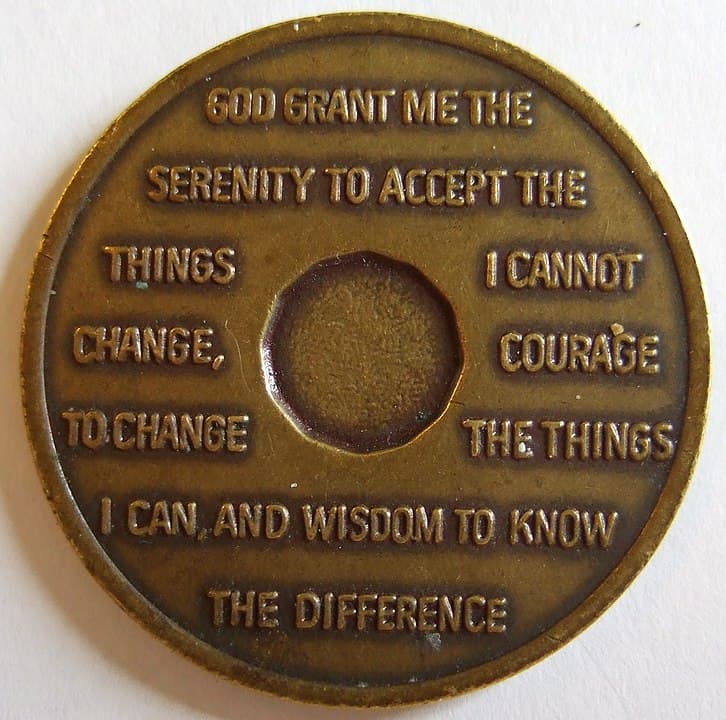
Although self-criticism promotes reflection and better future choices, it frequently causes widespread harm. Progressing ahead becomes challenging when one’s gaze is fixed on the past. The solution lies in altering what is changeable and granting forgiveness for the unchangeable.
For Gerald, losing his job paled in comparison to his deeper sorrows. Years prior to his cirrhosis diagnosis—a severe, ongoing liver condition—his departure from the corporate world triggered a chain of misfortunes culminating in alcohol dependency. His marriage dissolved, leading to alienation from his former spouse and daughter, Sandy. While he later achieved sobriety and found work, the irreversible harm to his health persisted, as did the rift with Sandy.
A significant portion of his end-of-life reflection involved sessions with a social worker, unpacking emotions tied to losing touch with his daughter. Ultimately, Gerald attained a degree of serenity through self-forgiveness. He recognized that earlier self-compassion might have prompted him to stop drinking before his liver suffered irreparable damage.
Another essential self-investment involves embracing a slower pace. We often set ambitious targets and crave instant results. However, much like the fable of the tortoise and the hare, steady, gradual progress secures victory. Achieving just a one percent monthly improvement toward a significant objective yields extraordinary yearly gains over time. This approach suits skill-building, nurturing relationships, or any pursuit. We should not permit self-imposed limitations to impede us.
Furthermore, prioritizing experiences is crucial. These accumulate and intensify over years, akin to financial portfolios. Through learning and personal evolution, we sharpen abilities that enhance our professional performance and character. Consider any executive who climbed to CEO: career advancement mirrors the exponential growth of Benjamin Franklin’s long-term investments, far from a straight-line trajectory.
When addressing personal investment, we cannot overlook education.
Undoubtedly, my costly four-year university degree has served me well, but today’s landscape offers countless educational avenues—reading books, engaging in conversations, enrolling in online classes, or debating passionately. Teachers abound in every corner of the world, from renowned experts to everyday mentors.
Knowledge acts as the ultimate safety net safeguarding your well-being. When other assets dwindle, your understanding equips you to secure employment, construct necessities, or navigate pivotal choices. Never cut corners on personal growth, and embrace investing financially in it. Expenditures on learning yield compounding returns in expertise and capabilities.
Embrace opportunities—say yes even to the unfamiliar. Welcome others’ invitations and dive into novel, uneasy pursuits.
True knowledge and fresh interests emerge only through exploration. This opens doors to thrilling prospects and forges deeper ties with those you affirm. Stay ready for adventure.
Overcome fears of novelty. I’m continually astonished by how many avoid basic financial literacy, despite experts noting that mere monthly reading hours suffice for proficiency. Prejudices portraying finance as overly complex deter many; resist this barrier.
I’ve observed numerous patients pass with unread books nearby or unresolved debates lingering. This carries profound weight. Even at life’s end, individuals rise each day with intentions. Ensure space for new learning. Curious souls depart as they lived: content and brimming with inquiries.
The truest gauge of any individual—regardless of wealth or mood—lies in the relationships they nurture. No metric surpasses this for measuring fulfillment. Upon entering a patient’s room, I immediately discern those who prioritized others: walls adorned with photos, notes, greetings, and companions.
Often, I identify these profound investors en route to the room. Visitors stream through; joy and chatter echo amid quiet corridors. Expressions of gladness and grief mark life’s poignant intersection with its conclusion.
By cultivating human connections, the returns amplify into enduring joy and affection. Your influence endures in the joy of those who’ve shared your life’s portfolio, long after you’re gone.
It took years for this realization to dawn on me. As a physician, I wandered seeking belonging in an mismatched environment. Only through writing and podcasting in personal finance did I connect with kindred spirits.
These bonds transformed everything, empowering me to reshape my sense of self and mission.
Pour not just funds, but time and affection into the young. Shape their foundations for adulthood and contentment. Impart wisdom, modesty, and compassion. Guide via your ethical conduct. In you, they discover ideals of achievement and liberty. Educate them on money’s potentials and limits in pursuing dreams. Model vibrant living.
Devoting to your offspring generates perpetual rewards. They become your support and stewards of your aspirations. Your earthly span is brief, yet descendants perpetuate your essence. Like ocean waves propagating influence across generations, you persist in their thoughts and spirits.
Hospital colleagues occasionally addressing me by my father’s name during rounds affirms this continuity. His imprint endures in my vocation and interests, years post-departure. He remains vivid.
I can never fully reciprocate my parents’ gifts. Rather, I’ll extend them to my children, mirroring their investments in me, perpetuating virtue across lineages.
Body and psyche intertwine, forming your core structure. Fiscal stability demands holistic wellness. As this volume illustrates, financial planning requires deliberate foresight. Impairment hinders this.
Nurture mental health via dedicated recovery. Master calming techniques like meditation, workouts, or soothing melodies. Seek aid from loved ones or therapists without hesitation. Counseling is prevalent and transformative, offering external clarity to silence inner turmoil.
Physical vitality matters equally. It may extend lifespan while delivering lasting emotional uplift. Self-care bolsters resilience in both domains. No need for extremes like ultramarathons; adequacy trumps perfection.
Aim for thirty daily minutes of movement. Begin simply, such as strolling. Select enjoyable, sustainable options. Dreaded routines fail to endure.
Though neutral on substances, excess beyond leisure impairs clarity and vitality. If doubt lingers, it’s likely an issue. Such elevations prove fleeting illusions.
No end-of-life physician’s advice compilation omits fundamentals, given this book’s focus on personal finance. Thus, remember stock market essentials:
May this guide equip you with the smarts, strategies, and tools to master finances, freeing energy for broader investments outlined here. Financial foundations are essential yet incomplete alone.
These represent a hospice doctor’s investment counsel. Notably, only the final segment addresses currency. Finances prove simpler; how you allocate remaining time and effort shapes your final outlook when facing someone like me. Avoid squandered days and remorse.
Commence investing promptly—before finality looms. A robust base weathers surprises, investing’s core aim.
Life-building demands time and accumulation. Self-investment requires vigor; education, diligence. Family and community ties tax mind and form. Wellness upkeep exhausts. Financial literacy claims preferred hours.
Yet every bit merits the effort. Prepare for living as vigilantly as dying.
Invest in yourself judiciously.
Reserve one hour across two to three days next week. Silence devices, ensure rest and nourishment, select a serene spot.
Divide paper lengthwise into three columns, numbering 1 to 10 each.
Review collectively: your non-financial portfolio. Amid net worth obsessions, non-monetary riches fade.
Merging this with finances yields comprehensive assets. Do they free time for purpose, identity, bonds? If yes, you’ve attained true independence.